Tag: HOLOCAUST

Read More

For Paul Celan

By Ed Schad
As people, later in life, begin to mourn the lives they were never able to live, common laments involve time and undeveloped talents, misplaced priorities, and lack of attention to what could have been the great loves of one’s life. I personally mourn a never achieved facility with languages. … I can only stare at Paul Celan’s poems through the wet glass of translation.

Read More

My School Years After the War

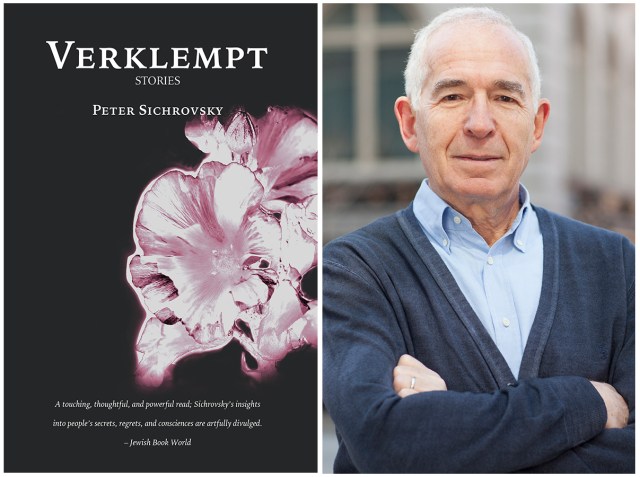
By Peter Sichrovsky

I had no problems with anti-Semitism, neither in elementary school nor later in high school. The teachers stayed behind, often talking about their experiences during the war, some of them also open about being in the SS, but they left me alone. Life was far more difficult for my parents. … My mother did not want to talk to me about any of the former Wehrmacht officers who were my teachers now.

Read More

Writing and Resistance: Interview with Erich Hackl

At the annual German Studies Association conference in September, the Austrian Cultural Forum featured Austrian author Erich Hackl’s Three Tearless Histories (DoppelHouse Press, 2017). The book is a collection of three personal histories about individuals affected by mid-century fascism, including the Austrian resistance fighter Gisela “Gisi” Tschofenig, who was killed in 1945, six days prior to the liberalization of the Schörgenhub work education camp where she was detained. In “Tschofenig: The Name Behind the Street,” Hackl recounts her improbable wedding in the Dachau concentration camp and attempts to resurrect her accomplishments amidst a family squabble that threatens to bury her forever.

Read More

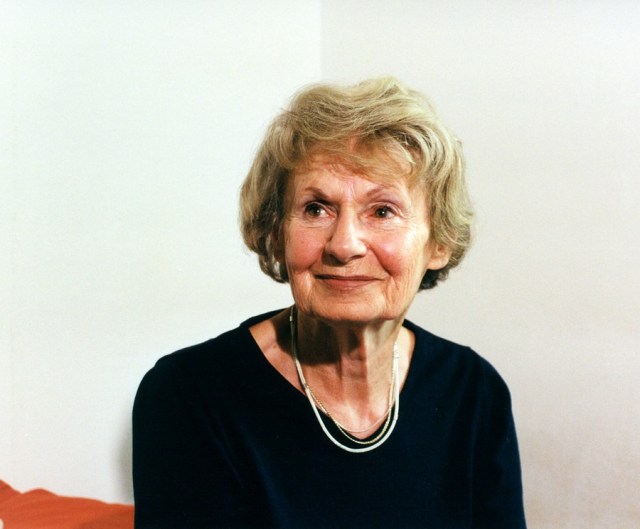
Heda Margolius Kovály’s Exceptional Life Navigating a Century of Horrors

Based on interviews with award-winning filmmaker Helena Treštíková, Hitler, Stalin and I (DoppelHouse Press, 2018) is the oral history of Heda Margolius Kovály. In the book Heda recounts her experiences under fascist and communist oppression in 20th century Czechoslovakia. In the following interview, Treštíková and Kovály’s son and translator Ivan Margolius give more context to the book and its publication.