By Jana Zimmer
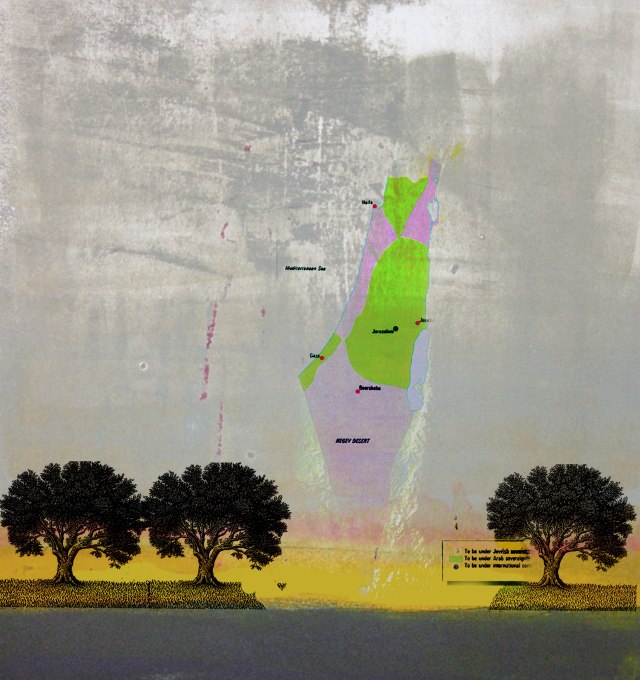
“Why do some people have the power to remember, while others are asked to forget?” A Palestinian-American lawyer said this, but everyone who hears it, thinks it is about them.
By Jana Zimmer
“Why do some people have the power to remember, while others are asked to forget?” A Palestinian-American lawyer said this, but everyone who hears it, thinks it is about them.
David Starkey served as Santa Barbara’s 2009-2011 Poet Laureate. The Founding Director of the Creative Writing Program at Santa Barbara City College, he is currently Co-editor of The California Review of Books, and the Publisher […]
by Susan Horowitz
Through an international project about Bauhaus-influenced architecture that has been rediscovered, I came to focus on Ben-Ami Shulman (b. Jaffa 1907–d. Los Angeles 1986), who was posthumously recognized …
Xavier Veilhan interviewed by Dorothée King
On a summer day in 2022 I visited the Musée d’Art Moderne de la Ville de Paris. I was drawn into and intrigued by the diverse simplicity and the all-embracing beauty of the colorful lines of Xavier Veilhan’s A3-sized ink on paper lockdown drawings…
Daryoush Gharahzad (b. 1976) is an Iranian artist currently based in New York. His artwork has been featured in numerous international exhibitions and publications. Alongside this, he has be included in several books, including The Artist, the Censor and the Nude: A Tale of Morality and Appropriation by Glenn Harcourt, which explores the art and politics of “The Nude” in various cultural contexts, featuring books of canonical western art censored in Iran.
By Carrie Paterson
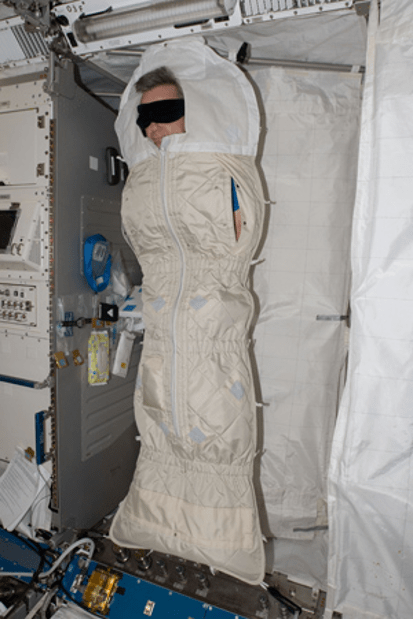
In 2013, my art-science research practice was nearly derailed by chronic-recurring Epstein-Barr, a post-viral weakening of the immune system that is commonly associated with chronic fatigue, and which has many similar effects on a person as COVID “long hauler” syndrome. But this experience opened a new portal into the potentially deep relationship between somatic art practices and human factors in astronautics.
BY AHMED NAJI -أحمد ناجى
The shop walls were covered with wooden planks, on those planks, drawings of people in a state of motion. They were crossing the street or leaving a building, but here they were stuck in a void.
That was the first exhibition by “Amr El Kafrawy” for me to attend. We met for a short interview. He told me about his work approach: sitting in some “internet café” overlooking Talaat Harb square in the Downtown area, getting out a small camera while watching people, and secretly taking photographs of them. Afterward, he drew on those photographs to put them back in a state of motion. He turned them into black shadows crossing the empty wooden planks covering the “Artellewa” gallery walls.
By Lauren “LP” Spencer
Barnette’s exhibition creates an immersive experience that guides the audience into her world to confront political, social, and familial issues related to state-sponsored, racialized surveillance, intimidation, and violence.
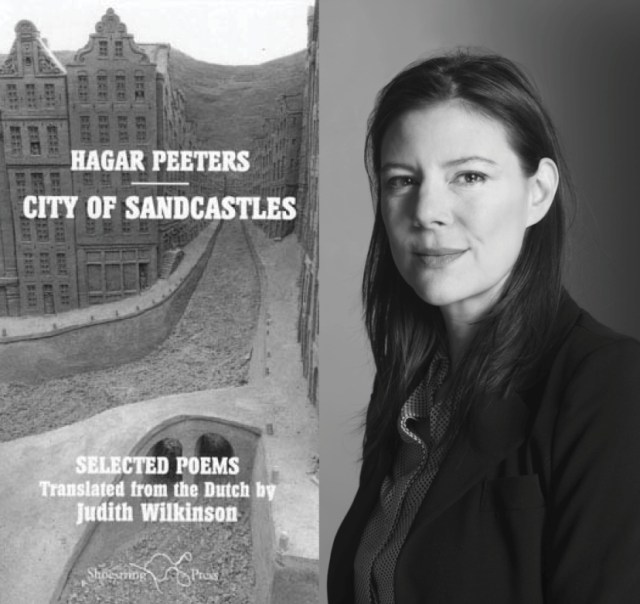
Select poems by Hagar Peeters, translated from the Dutch with an introduction by Judith Wilkinson
By Claire Phillips
The night before picking up a copy of The Collected Schizophrenias: Essays, Esmé Weijun Wang’s essays on the subject of “the full psychotic spectrum” or what are called “the schizophrenias,” I anticipated its themes in a threatening dream related to my mother’s struggle with an illness that went undiagnosed for far too long.